
Interests: Building, Helping, Thinking
Career Cluster: Tourism and Customer Service
Education Level: Bachelor’s Degree, College Certificate/Diploma
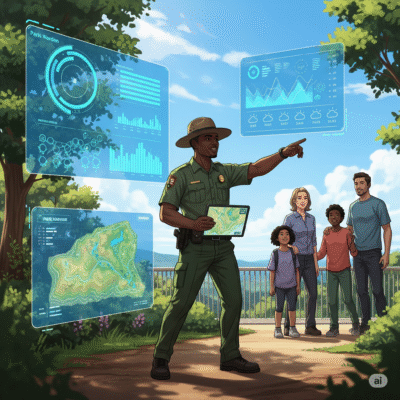
Park wardens are responsible for protecting natural reserves, wildlife, and park visitors. They enforce park laws, monitor wildlife populations, prevent poaching, and educate the public about conservation.
What is a typical day as a Park Warden?
– Patrolling the park on foot or vehicle
– Inspecting park facilities and natural areas
– Monitoring wildlife activity and signs of poaching
– Assisting visitors and conducting tours or education sessions
– Reporting and responding to emergencies (wildfires, injured animals, lost tourists)
What else might they be expected to do?
– Liaising with conservation NGOs and law enforcement
– Participating in community outreach programs
– Data collection for research and reporting
– Wildlife rescue operations
What type of training is needed for this career path?
– Diploma or Degree in Wildlife Management, Environmental Science, or related fields (e.g., Kenya Wildlife Service Training Institute – KWSTI)
– Paramilitary-style training in some cases (especially for anti-poaching units)
– First Aid, GIS, and ecological monitoring training is an advantage
What kind of personality is needed to excel in this career path?
– Physically fit and resilient
– Observant and detail-oriented
– Brave and emotionally stable under pressure
– Strong communication and leadership skills
– Passionate about nature and public service
What kind of interests do people in this career path have?
– Assisting tourists and communities, education work (Helping)
– Tracking animals, data collection, conservation planning (Thinking)
– Hands-on outdoor work, handling equipment, patrolling (Building)
– Holland Codes: Helping (H), Building (B), and Thinking (T).
Are there any innate skills or aptitudes required?
– Survival and navigation skills
– Animal behavior understanding
– Emergency response readiness
– Ability to work long hours in remote areas
What challenges can I expect to face if I pursue this career path?
– Harsh outdoor conditions
– Confronting dangerous wildlife or armed poachers
– Limited resources and funding
– Work-life balance in remote postings
What are the job prospects for this path in Kenya and Africa? What about International prospects for a Kenyan citizen?
– Kenya and Africa: Good demand in KWS, national parks, conservancies, NGOs (e.g., WWF, African Wildlife Foundation). Eco-tourism growth offers more roles.
– International: competitive but possible in regions like Canada, US, Australia under forestry, wildlife services, and conservation organizations.
What should I focus on if I choose to pursue this career?
– Excel in biology, geography, environmental science
– Gain field experience through internships or volunteering
– Train in GIS, wildlife law, and community engagement
– Build physical and outdoor survival fitness
Which other careers or job roles can I progress to?
– Park/Reserve Manager
– Wildlife Conservationist or Researcher
– Environmental Policy Advisor
– Ecotourism Consultant
– Ranger Trainer or Educator