
Interests: Building, Persuading, Thinking
Career Cluster: Healthcare and Medicine
Education Level: Bachelor’s Degree, Master’s Degree
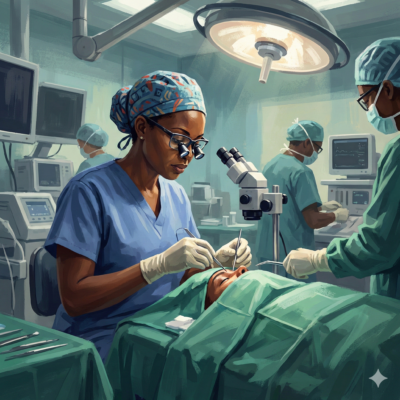
A neurosurgeon is a specialized doctor who diagnoses, treats, and performs surgeries on the brain, spinal cord, and nervous system. This includes treating brain tumors, spinal disorders, head injuries, stroke complications, and nerve conditions. Neurosurgery is one of the most demanding and precise specialties in medicine.
What is a typical day as a Neurosurgeon?
– Morning ward rounds to check on patients
-Reviewing CT/MRI scans and test results
– Performing surgeries (some lasting several hours)
– Consulting with patients and their families
– Collaborating with other specialists like neurologists or oncologists
– Handling emergency trauma cases
– Teaching or engaging in research
What else might they be expected to do?
– Supervise junior doctors or residents
– Lead neurosurgery units in hospitals
– Participate in global medical forums and research
– Work with biotech or neurotech companies on innovations
What type of training is needed for this career path?
– Strong performance in Biology, Chemistry, Physics, Math
– Bachelor of Medicine & Surgery
– Master’s Degree in Medicine (MMed – 6 years) with 2 years supervised post-training experience (KMPDC, 2025)
– Continuous specialization and CPD training
– Licensing and registration with KMPDC
What kind of personality is needed to excel in this career path?
– Highly disciplined and detail-oriented
– Emotionally resilient under pressure
– Calm and composed in high-stakes situations
– Empathetic but also rational
What kind of interests do people in this career path have?
– Analytical problem-solving (Thinking)
– Building trust with patients and families to effectively communicate with patients and their loved ones on necessary procedures. (Persuading)
– Precision, surgery, technical procedures (Building)
Holland Codes: Thinking, Building, Persuading .
Are there any innate skills or aptitudes required?
– Strong memory and attention to detail
– Problem-solving and decision making in high stakes environment Endurance for long hours
– Emotionally taxing work
What challenges can I expect to face if I pursue this career path?
– High-pressure decision-making
– Long hours, including weekends and nights
– Emotional weight of patient outcomes
– Intense and extended training and certification process
– High competition for residency and specialization slots
What are the job prospects for this path in Kenya and Africa? What about International prospects for a Kenyan citizen?
– Kenya and Africa: Demand is very high due to shortage of neurosurgeons, Employed in major public hospitals (KNH, MTRH), private hospitals (Nairobi Hospital, Aga Khan), and NGOs and opportunities to open private clinics or work in cross-border specialist teams
– International: Excellent opportunities in developed countries (USA, Canada, UK, Australia) and Work in neurology research centers, hospitals, or teaching universities
What should I focus on if I choose to pursue this career?
– Build a strong academic foundation in sciences
– Seek early exposure through hospital shadowing and mentorship
– Focus on physical and emotional stamina
– Stay up to date with medical technologies
– Build interpersonal and communication skills
Which other careers or job roles can I progress to?
– Neurosurgical consultant or senior surgeon
– Medical university lecturer
– Clinical researcher
– surgical department head