
Interests: Building, Helping, Thinking
Education Level: College Certificate/Diploma
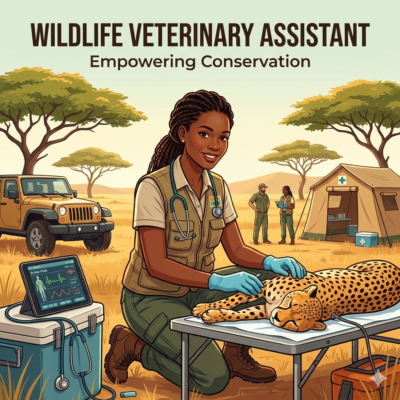
Zoo or wildlife veterinary assistants support veterinarians in caring for exotic and wild animals, assisting with medical procedures, daily health monitoring, and habitat management. Veterinary assistants are employed by zoos and orphanages, wildlife parks, conservation organizations, and animal rehabilitation centers. Some may also work for government agencies or private wildlife sanctuaries.
What is a typical day in as a Wildlife Veterinary Assistant?
Preparing animals for examinations and assisting veterinarians during procedures.
Monitoring the health and behavior of animals and recording observations.
Administering medications or basic treatments under the veterinarian’s supervision.
Cleaning and maintaining enclosures to ensure safe and hygienic living conditions.
What else might they be expected to do?
Assist in wildlife rescue operations or relocations.
Maintain medical equipment and supplies for veterinary procedures.
Educate the public about animal health and conservation efforts.
Support breeding programs and monitor the health of newborn or juvenile animals.
What kind of interests do people in this career path have? (based on RIASEC/Holland Codes)?
Realistic (R): Enjoy working hands-on with animals and maintaining their habitats.
Social (S): Passion for helping animals and supporting conservation efforts.
Investigative (I): Interest in studying animal health and assisting with medical care.
What type of training is needed for this career path?
A diploma or certificate in Animal Health, Veterinary Technology, or a related field is typically required.
On-the-job training in handling exotic and wild animals is essential.
Specialized certifications or training in wildlife care or zoo animal management are highly valuable.
What kind of personality is needed to excel in this career path?
Compassionate, observant, and resourceful individuals excel in this role.
Big 5 Traits: High agreeableness, conscientiousness, and openness to experience.
Myers-Briggs Types: ISFP (empathetic and hands-on) or ESTP (practical and adaptable).
What challenges can I expect to face if I pursue this career path?
Handling dangerous or unpredictable animals during procedures.
Managing emotionally challenging situations, such as treating severely injured or sick animals.
Balancing the physical demands of the role, including long hours and working outdoors.
What are the job prospects for this path in Kenya and Africa? What about International prospects for a Kenyan citizen?
Kenya and Africa: Opportunities exist in national parks, wildlife reserves, and zoos, particularly in regions with rich biodiversity.
International: Professionals with training and experience in wildlife care are competitive for roles in global zoos, conservation organizations, and rehabilitation centers.
What should I focus on if I choose to pursue this career?
Develop expertise in animal handling, first aid, and medical assistance.
Gain hands-on experience through internships or volunteer opportunities in zoos or wildlife centers.
Stay informed about conservation efforts and emerging trends in exotic animal care.
Which other careers or job roles can I progress to?
Zoo Veterinarian
Wildlife Rehabilitator
Conservation Biologist
Animal Welfare Inspector