
Interests: Building, Creating, Thinking
Career Cluster: Creative Arts & Design
Education Level: Bachelor’s Degree
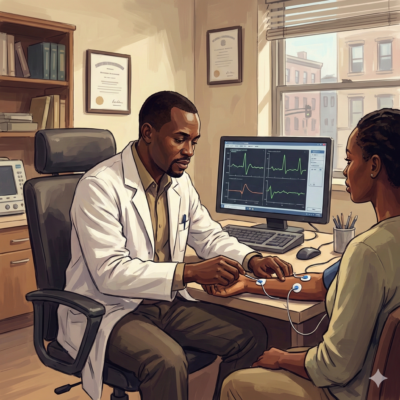
A neurologist is a medical doctor who specializes in diagnosing and treating disorders of the nervous system, including the brain, spinal cord, and peripheral nerves. They deal with conditions such as epilepsy, migraines, multiple sclerosis, Parkinson’s disease, Alzheimer’s, stroke, and neuropathies.
What is a typical day as a Neurologist?
– Conducting neurological exams
– Ordering and interpreting diagnostic tests
– Diagnosing and developing treatment plans
– Managing long-term care for chronic neurological conditions
– Referring patients to neurosurgeons or rehabilitation services
– Some may also conduct clinical research or teach
What else might they be expected to do?
-Write prescriptions and manage medications
– Work in multidisciplinary teams with psychiatrists, surgeons, or therapists
– Participate in conferences or publish scientific papers
– Engage in public health education on brain and nerve health
What type of training is needed for this career path?
– Strong grades in Biology, Chemistry, Physics/Math
– Bachelor of Medicine & Bachelor of Surgery
– 1-year internship in a licensed facility (under KMPDC)
– Master’s Degree in Neurology or Internal Medicine (3 years) followed by 2 year Neurology sub-specialization fellowship. (source: KMPDC, 2025)
– Board registration and licensing
What kind of personality is needed to excel in this career path?
– Detail-oriented and analytical
– Patient, especially when managing chronic cases
– Excellent communication and empathy
– Emotionally resilient
What kind of interests do people in this career path have?
– Analytical diagnosis and reasoning (Thinking)
– Following precise clinical protocols(Organising)
– Applying medical tools and technical diagnostic methods (Building)
Holland Codes: Organising (O), Building (B), and Thinking (T).
Are there any innate skills or aptitudes required?
– Critical thinking
– Steady hand for physical exams (e.g., reflex testing)
– Clear communication of complex information
– Excellent memory and attention to subtle symptoms
What challenges can I expect to face if I pursue this career path?
– Diagnosing subtle or rare conditions
– Managing emotionally complex cases (e.g., terminal illnesses)
– Limited access to advanced equipment in rural areas
– Long training duration
– Keeping up with rapid advances in neurological science
What are the job prospects for this path in Kenya and Africa? What about International prospects for a Kenyan citizen?
– Kenya & Africa: High demand due to shortage of neurologists, Employed in national referral hospitals (KNH, MTRH), private hospitals (Aga Khan, Nairobi Hospital), and NGOs and Growing opportunities in telemedicine, research, and teaching.
– International: Well-respected, high-paying specialty in developed countries , Requires local licensing (USMLE – USA, PLAB – UK, AMC – Australia) and Growing opportunities in AI neurology research, pharmacy companies, and academia.
What should I focus on if I choose to pursue this career?
– Build a strong academic foundation in sciences
– Shadow doctors or volunteer in medical facilities.
– Strengthen critical thinking and abstract thinking skills
– Stay updated on medical research and technology.
– Develop patient communication and listening skills
Which other careers or job roles can I progress to?
– Clinical researcher or academic
– Specialist in paediatric neurology