
Interests: Building, Helping, Thinking
Career Cluster: Hospitality, Tourism and Customer Service
Education Level: Bachelor’s Degree, College Certificate/Diploma
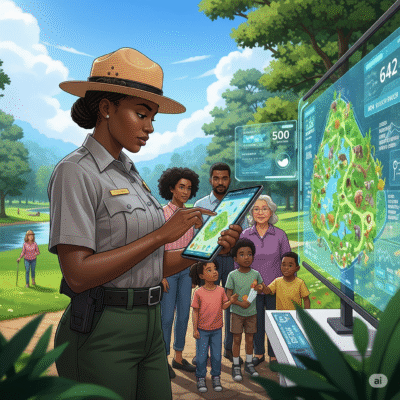
Park rangers protect natural environments, wildlife, and educate the public. Their roles can vary between conservation work, law enforcement, and community education.
What is a typical day as a Park Ranger?
– Patrolling natural parks to ensure safety and rule compliance
– Monitoring animal populations and park ecosystems
– Guiding visitors and conducting environmental education programs
– Responding to emergencies (accidents, fires, poaching)
– Maintaining park infrastructure (trails, signage, facilities)
What else might they be expected to do?
– Writing reports and keeping records of park activities
– Assisting in ecological research and data collection
– Working with schools, tourists, and local communities
– Enforcing wildlife laws and issuing fines
What type of training is needed for this career path?
– Candidates must be aged 18–26, Kenyan citizens, possess a minimum KCSE mean grade of D (plain), and be physically/medically fit.
– Successful applicants will undergo rigorous, mandatory paramilitary training at the KWS Law Enforcement Academy.
– Some roles require paramilitary training, especially those involved in anti-poaching
What kind of personality is needed to excel in this career path?
– Physically and mentally resilient
– Passionate about nature and wildlife
– Good communication and interpersonal skills
– Problem-solver and quick thinker
– Ethical, brave, and observant
What kind of interests do people in this career path have?
-Educating, guiding, and supporting park visitors (Helping)
– Monitoring ecosystems, tracking animals (Thinking)
– Field patrols, equipment use, habitat maintenance (Building)
Holland Codes: Helping (H), Building (B), and Thinking (T).
Are there any innate skills or aptitudes required?
– Strong physical stamina and survival skills
– Ecological knowledge and map reading
– Conflict resolution and emergency response
– Ability to work long, isolated hours outdoors
What challenges can I expect to face if I pursue this career path?
– Harsh working conditions and dangerous wildlife
– Risk of conflict with poachers or armed intruders
– Limited resources or funding in conservation
– Burnout from isolated or remote assignments
What are the job prospects for this path in Kenya and Africa? What about International prospects for a Kenyan citizen?
– Kenya and Africa: Opportunities with Kenya Wildlife Service (KWS), national parks, private conservancies, and NGOs and Eco-tourism growth continues to boost demand
– International: Government agencies (e.g., US National Park Service, Australian National Parks) hire rangers with strong fieldwork backgrounds and International NGOs and UNESCO World Heritage Sites offer roles, though very competitive
What should I focus on if I choose to pursue this career?
– Build experience through wildlife internships or conservation volunteering
– Take field courses in ecology, GIS, or outdoor survival
– Stay physically active and train in emergency procedures
– Learn local wildlife laws and community engagement practices
Which other careers or job roles can I progress to?
– Senior Park Ranger
– Park Manager or Warden
– Conservation Scientist
– Ecotourism or Wildlife Consultant
– Ranger Instructor or Environmental Educator