
Interests: Building, Helping, Persuading
Career Cluster: Government, Nonprofit and Public Service
Education Level: Bachelor’s Degree
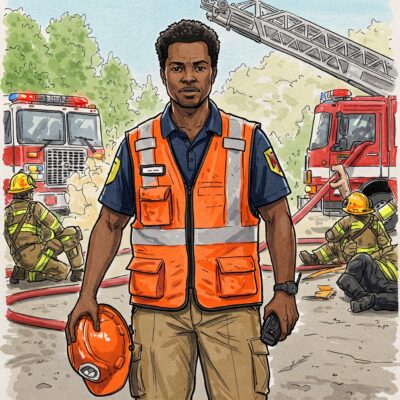
Emergency management specialists develop plans and coordinate responses to natural disasters, public health emergencies, and other crises to minimize risks and ensure public safety.
What is a typical day as an Emmergency Management Specialist?
– Creating and updating emergency response plans for communities or organizations.
– Coordinating training programs for first responders and emergency personnel.
– Monitoring potential risks, such as weather patterns or disease outbreaks.
– Collaborating with government agencies, NGOs, and healthcare providers to implement preparedness strategies.
What else might they be expected to do?
– Conduct post-crisis evaluations to improve future emergency responses.
– Organize community outreach programs to educate the public about disaster preparedness.
– Manage the allocation of resources during emergencies.
What type of training is needed for this career path?
– A degree in Emergency Management, Public Administration, or Environmental Science is beneficial.
– Certifications in disaster management or crisis response, such as FEMA courses, enhance career prospects.
What kind of personality is needed to excel in this career path?
– Organized, decisive, and calm under pressure individuals excel in this role.
– Big 5 traits: Conscientiousness and Emotional Stability.
– Myers-Briggs types: ISTJ or ENTJ align well with this career.
What challenges can I expect to face if I pursue this career path?
– Coordinating responses during high-pressure situations.
– Managing resource constraints in large-scale emergencies.
– Addressing public fear or misinformation during crises.
What are the job prospects for this path in Kenya and Africa? What about International prospects for a Kenyan citizen?
– Kenya and Africa: High demand in disaster-prone regions, with opportunities in government agencies, humanitarian organizations, and NGOs.
– International: Global demand in international aid agencies, the UN, and multinational NGOs for experienced specialists.
What should I focus on if I choose to pursue this career?
– Gain expertise in risk assessment, crisis communication, and resource allocation.
– Build strong collaboration skills to work with diverse stakeholders.
– Stay informed about global trends in disaster management and climate resilience.
Which other careers or job roles can I progress to?
– Disaster Response Coordinator
– Public Safety Consultant
– Program Manager for Humanitarian Projects
– Policy Advisor in Emergency Preparedness